


Destination weddings are no longer limited to small European ceremonies. Many families still organize their celebrations around cultural wedding traditions that carry deep meaning and structure.
Around the world, cultural wedding traditions unfold over several days. Rituals, family involvement, and symbolic customs guide each stage of the celebration. When couples choose Europe for their wedding, they often bring these traditions with them. They look for destinations that allow ceremonies to remain authentic.
Below are several cultures whose cultural wedding traditions continue to shape multi-day celebrations around the world.
Indian Cultural Wedding Traditions 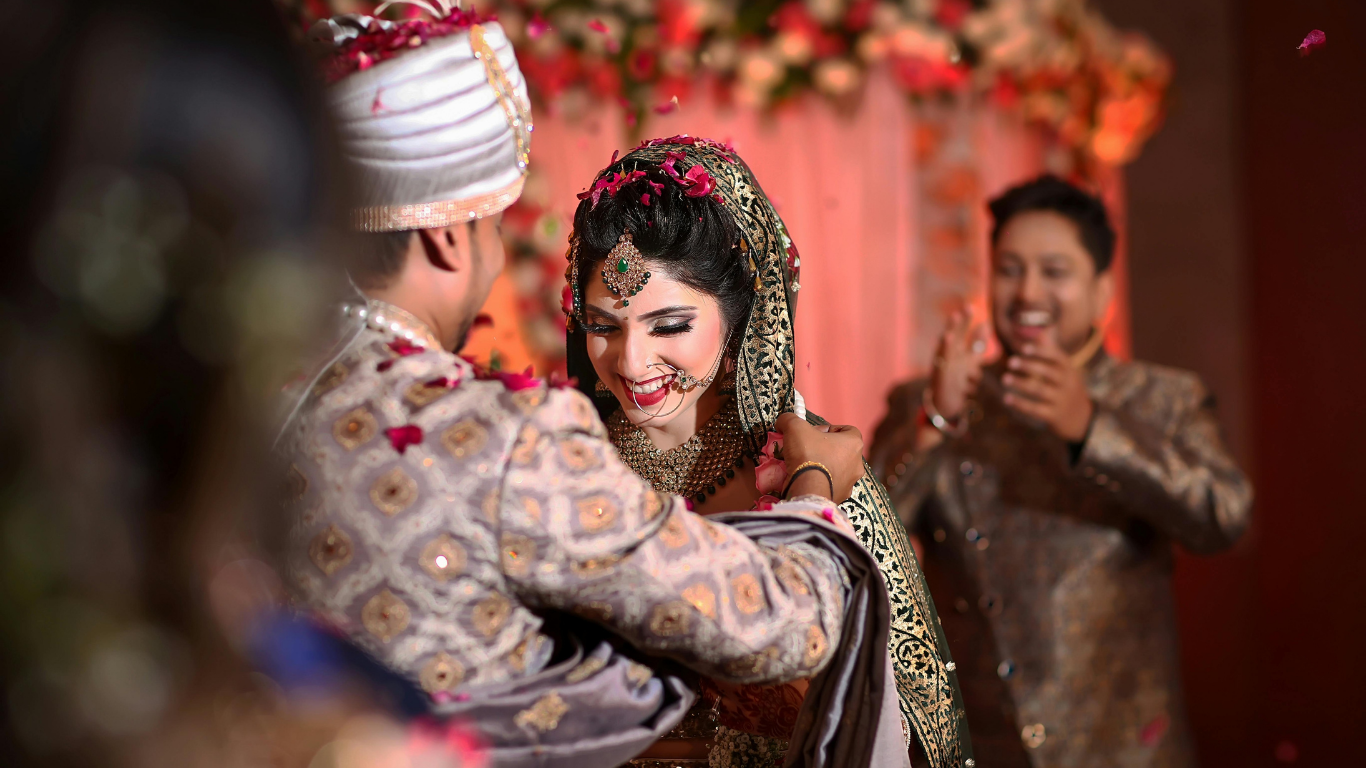
Indian weddings are among the most intricate in the world. They combine symbolism, family participation, and vibrant celebrations.
Here’s a brief introduction of the key cultural wedding traditions:
- Roka (Pre-Engagement Ceremony): An intimate gathering takes place at a family home where the couple’s commitment is formally acknowledged. Close relatives apply tilak (a sacred mark) on their foreheads and exchange gifts like sweets, fruit, and clothing to symbolize approval and the uniting of families.
- Auspicious Wedding Date & Time (Muhurat): Families consult a religious authority or astrologer to select a lucky date and time for the ceremony, ensuring positive cosmic alignment and blessings for the marriage.
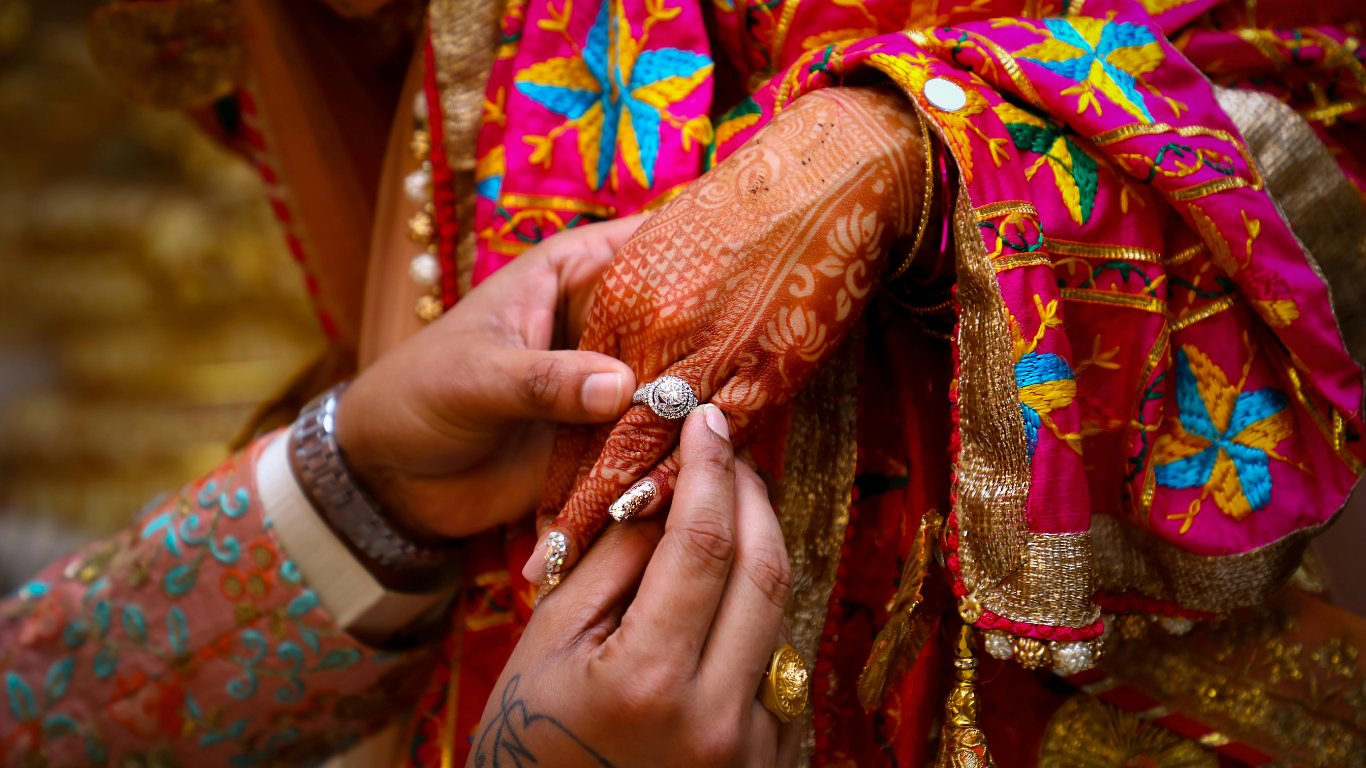
- Mehndi Ceremony: A joyful event where henna designs are applied to the bride’s hands and feet. The designs can take five or more hours and symbolize beauty and celebration.
- Sangeet (or Dholki): This celebration includes choreographed dances and performances. Families usually hold it the night before the wedding, especially in North Indian communities.
- Haldi Ritual: Families apply a turmeric paste to the bride and groom for purification and blessings. Guests often wear yellow or orange. Different regions call the ritual Mandvo, Pithi, or Vatna.
- Mandap Ceremony: The main ceremony takes place under a mandap. The couple participates in sacred fire rituals known as Havan.
Guest lists often range from 250 to 500 attendees. Celebrations usually include elaborate flowers, seating layouts, stages, and lighting.
Indian weddings in Europe require several nearby venues and coordinated accommodation for extended families. Albania provides this flexibility while avoiding the high costs common in more saturated markets.
Asian – Symbolism and Banquet 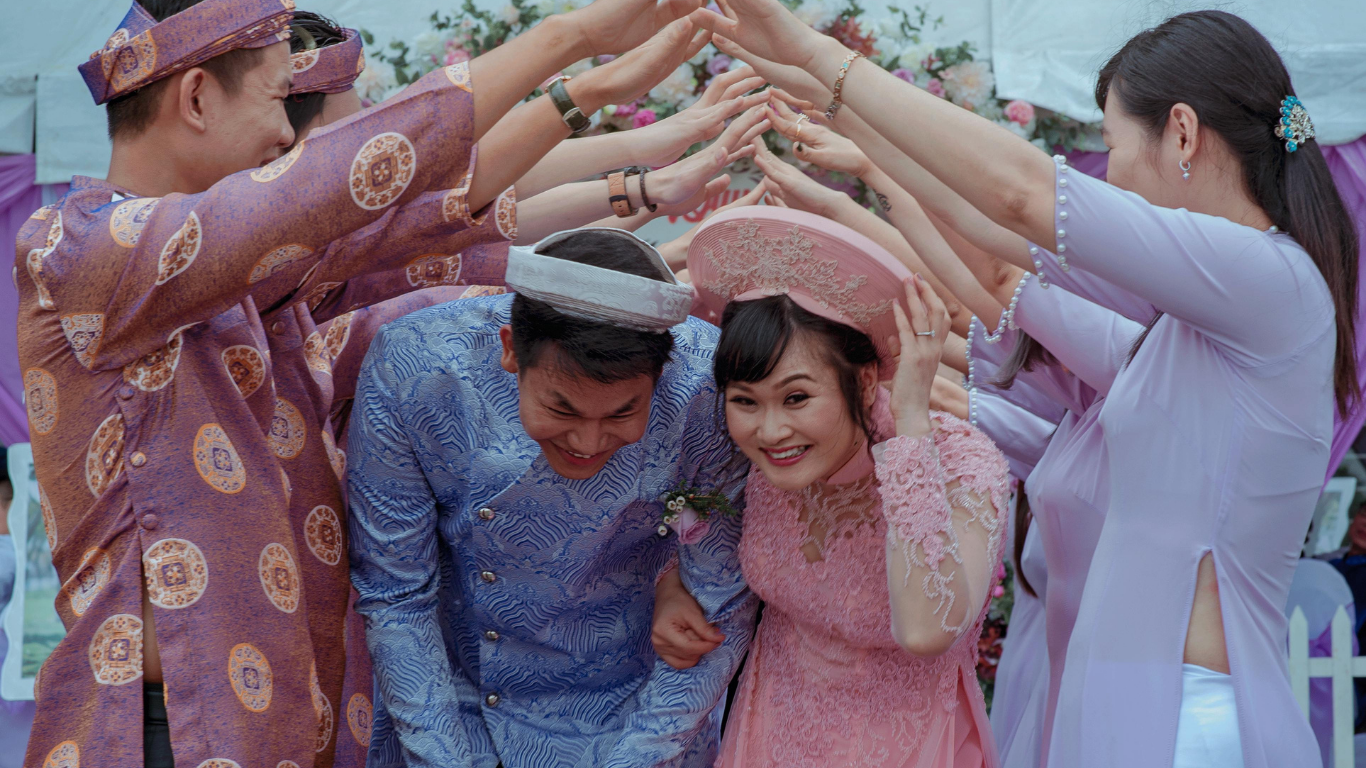
In many Asian cultures, marriage represents the union of two families. Each ritual carries cultural and spiritual significance.
The following is a brief summary of key Asian customs:
- Guo Da Li (Betrothal Ceremony): The groom presents gifts such as gold jewelry, dragon and phoenix candles, tea leaves, sesame seeds, and wine to the bride’s parents. The bride’s family returns half of the gifts to show acceptance and goodwill.
- Three Days After the Wedding: The bride returns to visit her family with her husband. This visit marks her transition from her childhood home. The groom traditionally brings a roasted pig while the bride’s family hosts a welcoming banquet.
- An Chuang (Preparing the Marriage Bed): A female relative prepares the couple’s bed with red bedding and symbolic fruits such as longans, persimmons, and red dates. These items represent fertility and a lasting marriage.
- Picking Up the Bride: The groom travels to the bride’s home in a festive procession that may include drums, firecrackers, or lion dances.
- Chinese Tea Ceremony: The couple kneels or bows to serve sweetened tea to parents and elders. In return they receive red envelopes or gold jewelry as blessings.
- Exchange of Vows: Vows may take place at a government office, a family altar honoring ancestors, or a Western-style ceremony depending on the couple’s preference.
- Wedding Banquet: Families host an elaborate eight-course banquet. Symbolic dishes include fish for abundance, poultry for unity, and lotus seed desserts for fertility.
Guest numbers often exceed 200 attendees. Wedding planners must carefully coordinate ceremonial timing to respect these traditions.
Nigerian Cultural Wedding Traditions 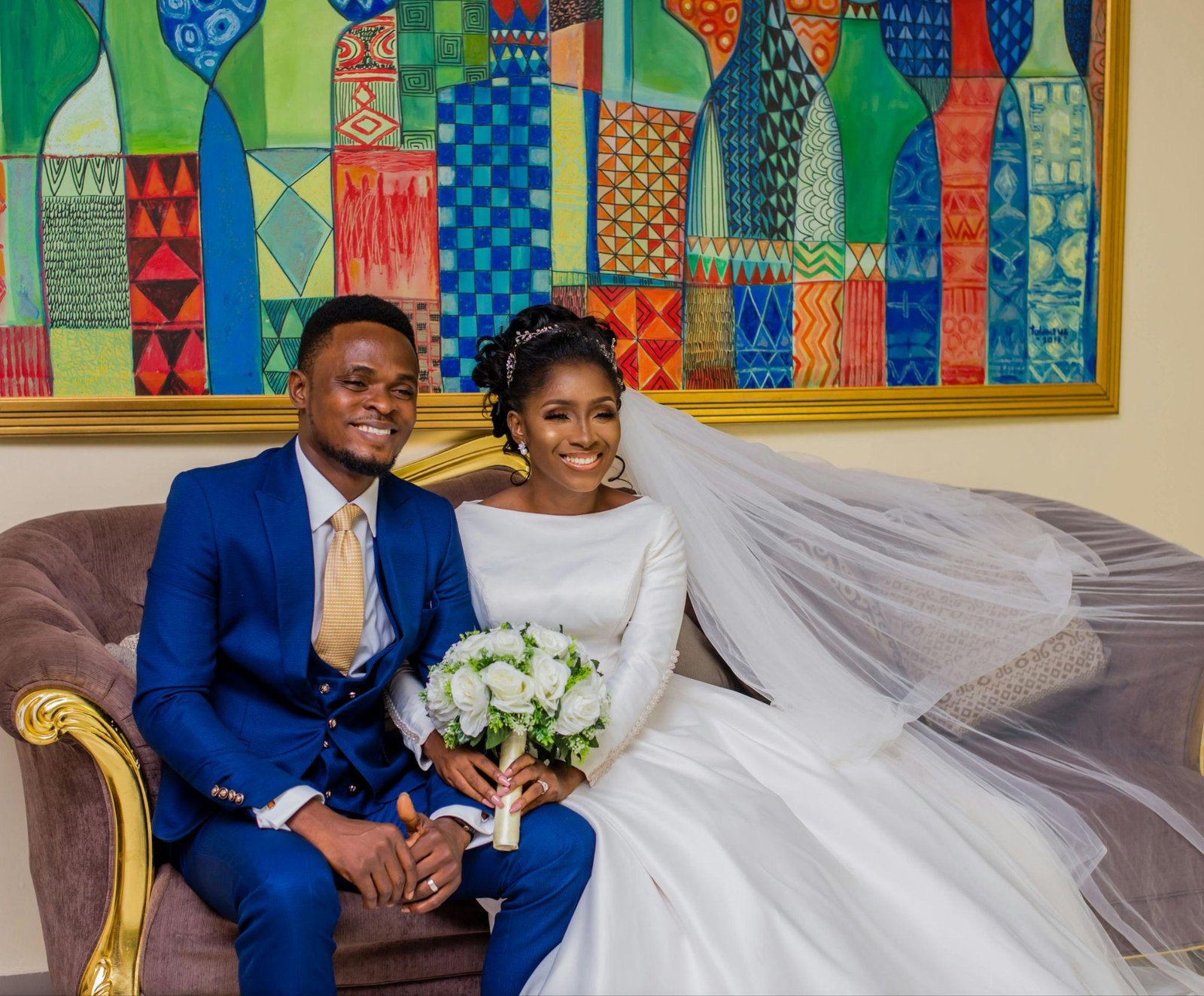
Nigerian weddings are vibrant celebrations rooted in respect, family honor, and joyful community participation. These celebrations represent some of the most expressive cultural wedding traditions in the world.
The following is a brief overview of key Nigerian customs:
- Dowry (Bride Price): Before the engagement, the bride’s family presents a list of dowry items to the groom’s family. The groom must provide everything requested.
- Aso-Ebi (Family Cloth): Families wear coordinated fabrics or colors. This tradition symbolizes unity and identity during the celebration.
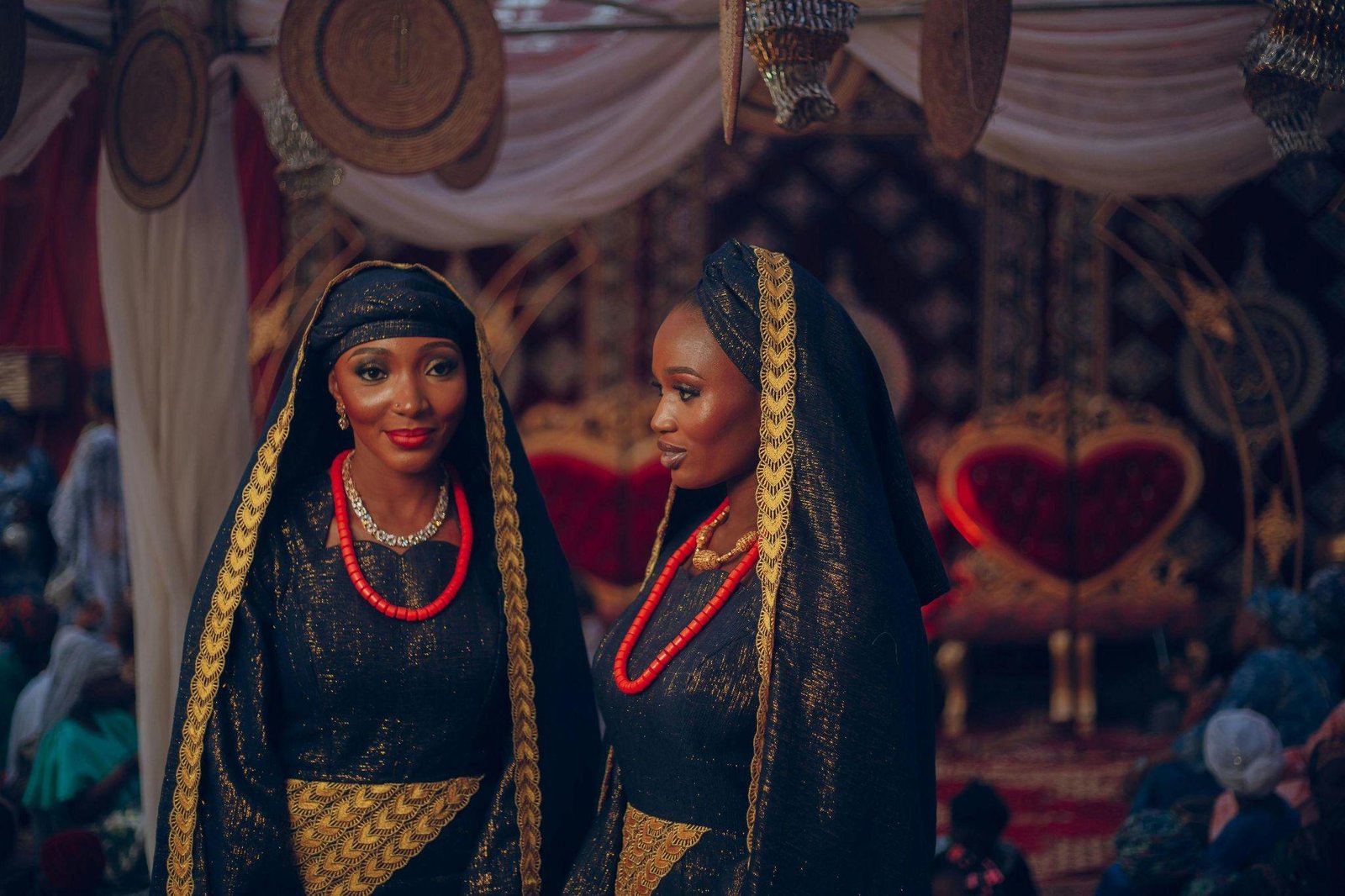
- Double Ceremonies: Many couples hold two ceremonies: a traditional wedding followed by a religious ceremony.
- Open Community Celebrations: Traditionally there is no strict guest list. Families prepare large quantities of food to welcome all attendees.
- Alaga (Ceremonial Emcee): The Alaga leads the ceremony, entertaining guests while guiding the couple through the rituals.
- Prostration Ritual: The groom and his groomsmen lie face down before the bride’s family to demonstrate respect and humility.
- Wedding Cake During Ceremony: Unlike Western weddings, couples cut the cake during the traditional ceremony.
- Guest lists often exceed 300 attendees. Celebrations usually include live music, MC-led programs, and extended dancing.
Saudi Arabia – Formal Gatherings and Grand Receptions 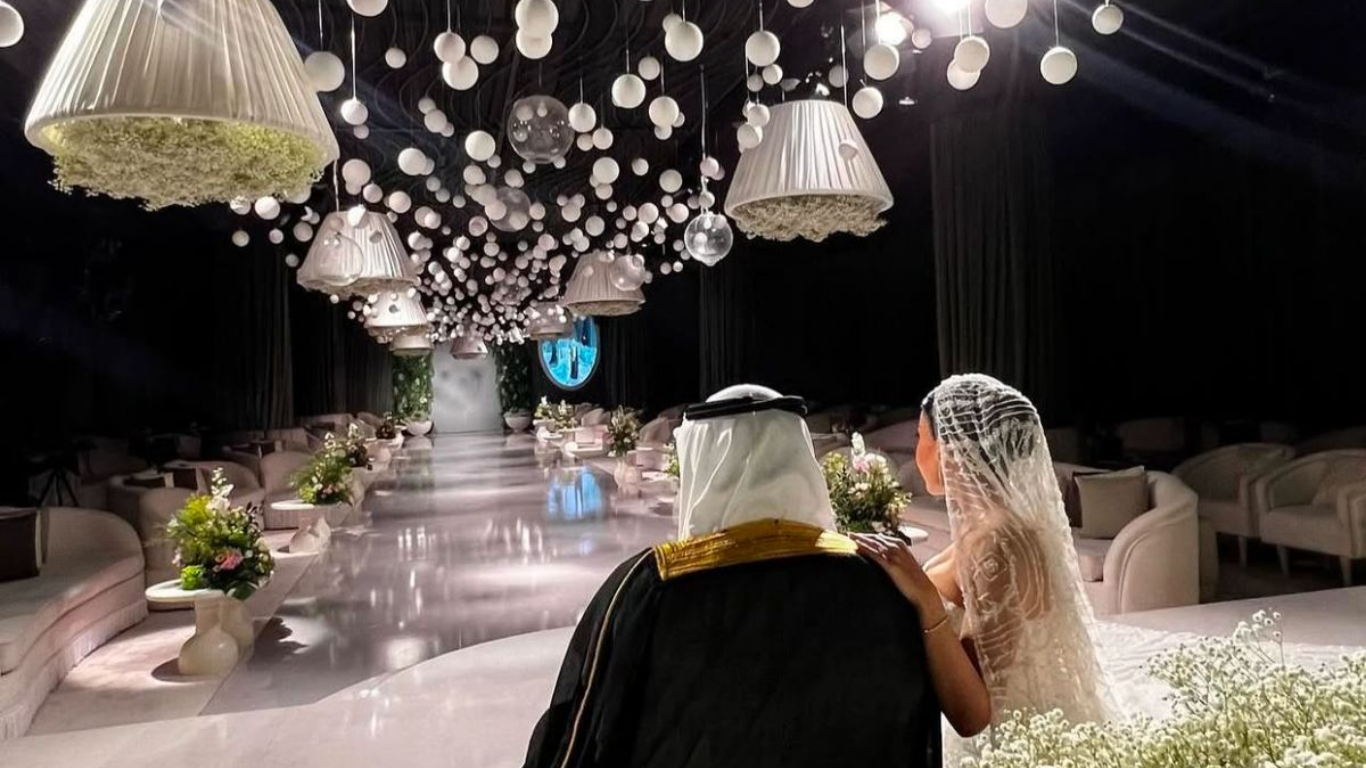
Saudi families celebrate weddings with grandeur and hospitality. These ceremonies represent some of the most formal cultural wedding traditions in the region. They combine Islamic customs with long-standing Arab heritage.
The following traditions structure the celebration.
- The Shoufah (Permissible Glance): After the engagement blessing, the couple meets in a chaperoned setting to see each other formally for the first time.
- Mahr (Dowry): The groom gives a mandatory gift to the bride. This gift symbolizes commitment, respect, and financial security.
- Ghumra (Henna Night): Female relatives gather for music, dancing, and henna decoration before the wedding.
- Gender-Separated Receptions: Traditionally, families host separate celebrations for men and women. The men’s gathering includes dances and feasts, while the women’s celebration focuses on the bride.
- Grand Entrance & Ring Exchange: The couple enters together in a formal procession and sits on a decorated stage.
- First Dance & Celebration: The evening continues with music, dancing, and celebration.
Guest lists may exceed 400 attendees. Therefore, venues must offer privacy, large spaces, and controlled access.
Why Albania Works for Cultural Destination Weddings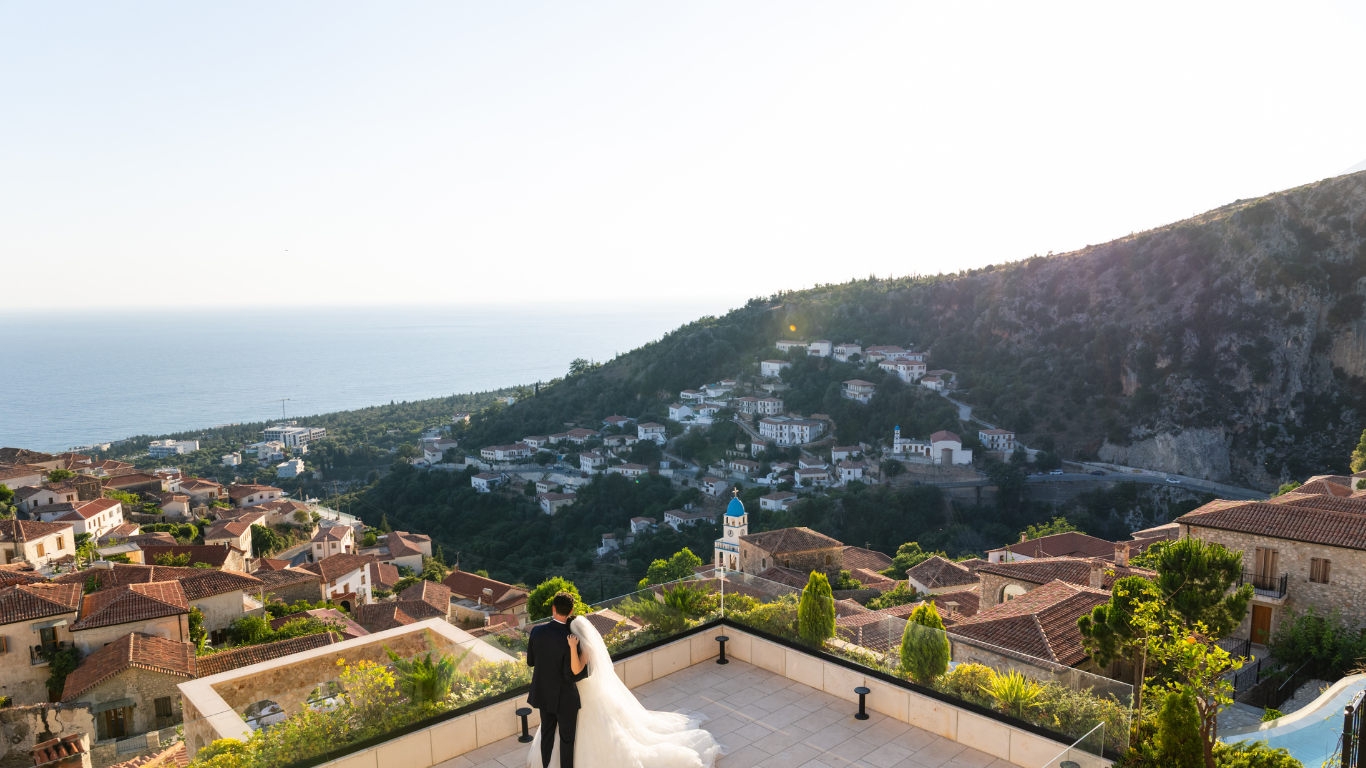
When families consider hosting cultural wedding traditions as part of a destination wedding in Europe, Italy and Greece often come first. However, high demand and strict venue structures can limit flexibility.
Albania offers a different pace. Along the Albanian Riviera, venues provide privacy and adaptable layouts. Couples can host several wedding events over multiple days without compressing the schedule.
Signature Wedding Settings
Here are two signature settings where cultural wedding traditions can unfold across several days.
Zoe Hora – Heritage Setting
Zoe Hora, a restored stone estate above the Ionian Sea, hosts ceremonial-focused celebrations for between 50 and 130 guests, with private courtyards ideal for Mehndi events, tea ceremonies, or welcome dinners.
Drymades Inn – Beachfront Resort for Grand Receptions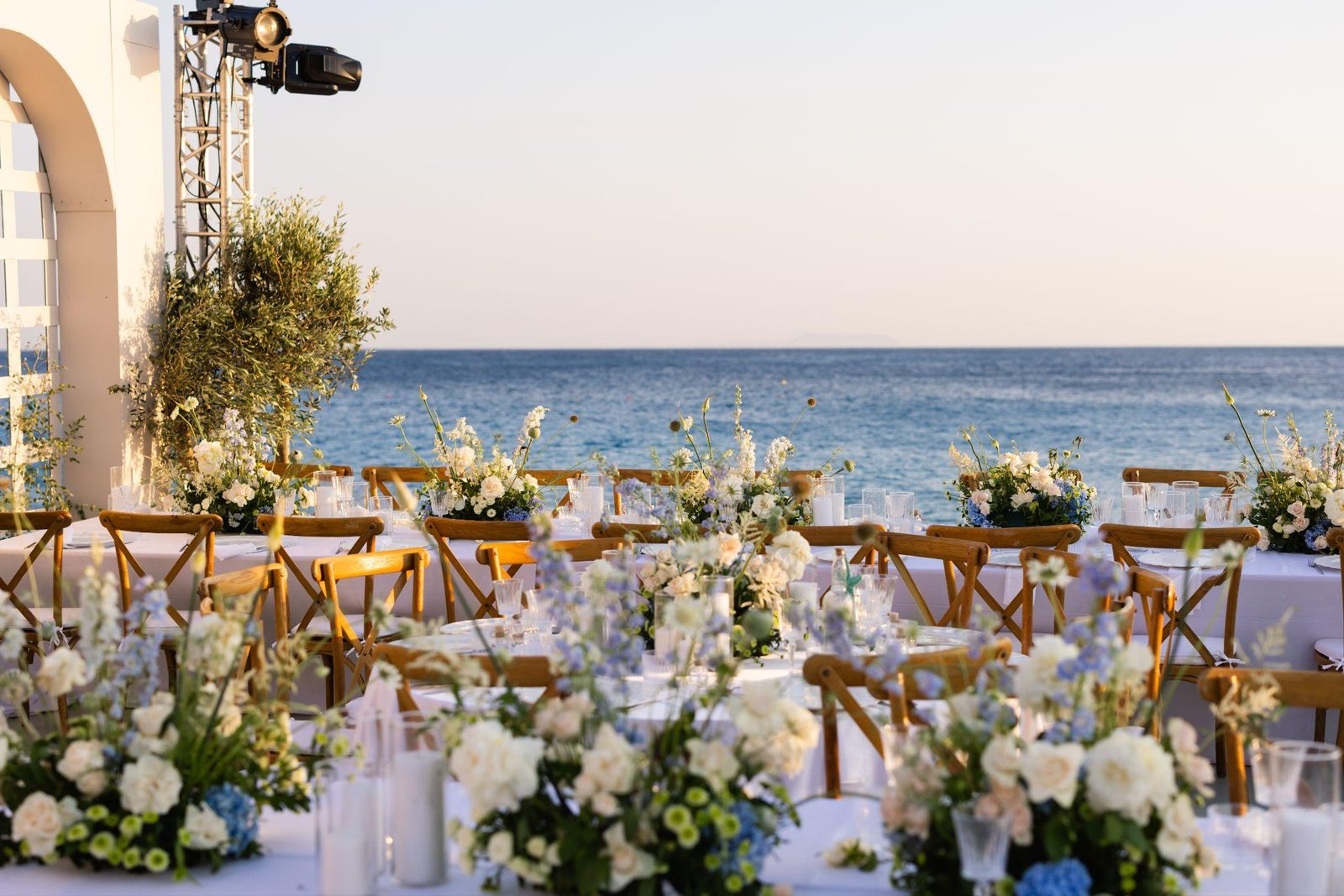
Drymades Inn sits directly on Drymades Beach, accommodates 200–250 guests, and offers pier ceremonies by the sea, expansive reception areas, Kyma Beach Bar for pre-wedding gatherings, and on-site villas and rooms for extended family stays.
Together, these settings allow cultural wedding traditions to unfold across multi-day weddings in Albania, with separate areas for ceremonies, welcome events, and receptions.
Planning Cultural Destination Weddings with Gaia Events
Gaia Events works closely with couples to preserve their cultural wedding traditions while adapting them to a destination setting in Albania. The team has planned weddings for mixed-nationality couples, including Nigerian, Indian, European, and multicultural families.
These celebrations often combine multiple traditions and faith practices. Therefore, careful planning ensures that each ceremony unfolds with clarity and respect.
If you are planning a destination wedding in Albania and want your cultural wedding traditions honored authentically, Gaia Events can help design a seamless multi-day celebration on the Albanian Riviera.